


This page explains how the ROI Tracking and Analytics principle connects mYngle training to measurable organisational results.
Overview
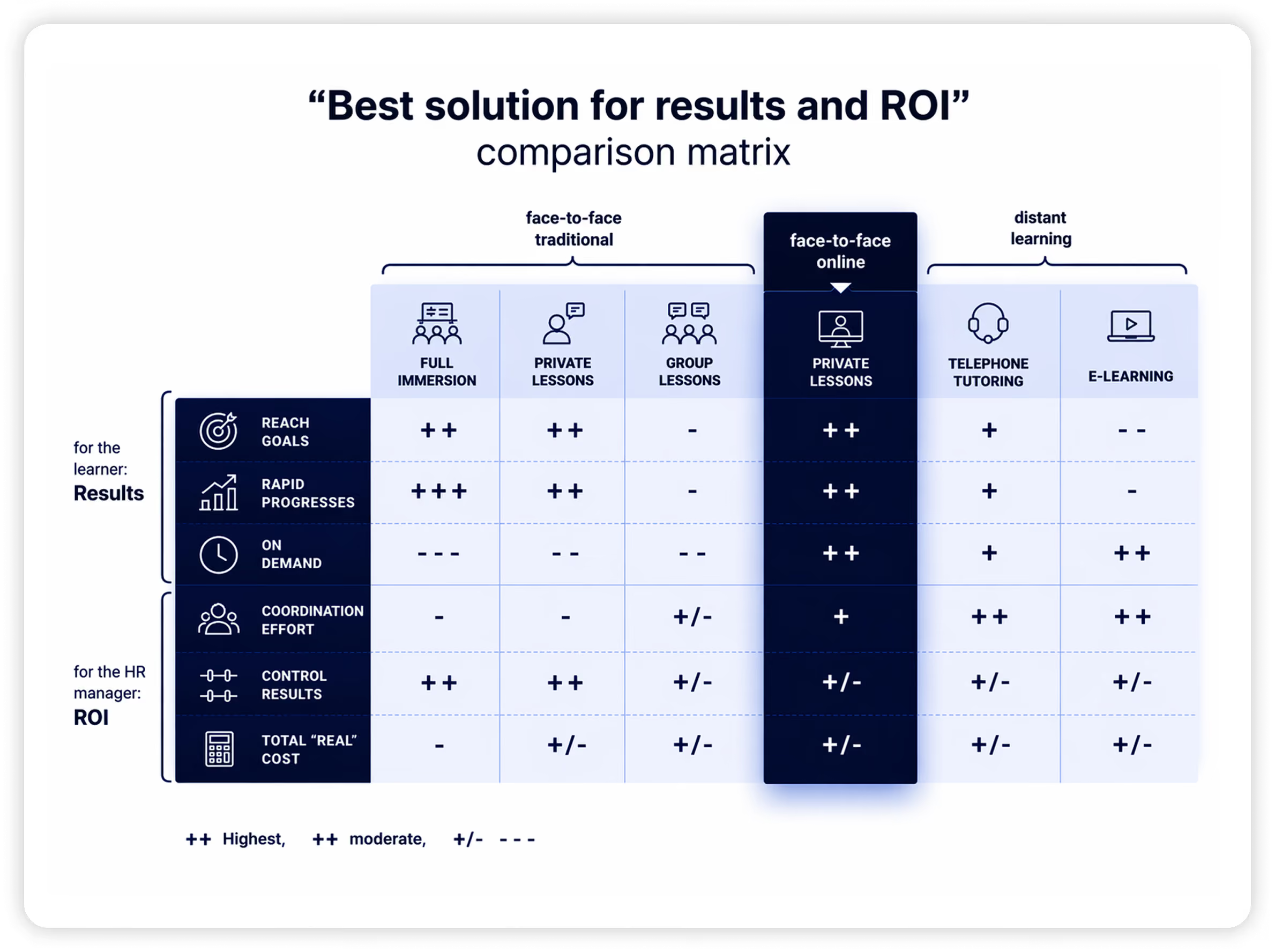
At mYngle, ROI tracking gives HR and L&D a clear view of what is being used, what is improving, and what it costs across teams and locations. mYngle consolidates usage, engagement, and progress data in one environment, so programme governance stays consistent as you scale. Learning analytics support language development by making progress visible and guiding targeted practice.
ROI is not just about sessions completed. mYngle links training activity to outcomes through CEFR-aligned progress, skill development, and clear reporting, helping HR and L&D make evidence-based decisions, maintain budget control, and compare performance across learners, regions, and business units.
ROI is not just about sessions completed. mYngle links training activity to outcomes through CEFR-aligned progress, skill development, and clear reporting, helping HR and L&D make evidence-based decisions, maintain budget control, and compare performance across learners, regions, and business units.
Research Foundations
1. A centralised platform supports governance at scale:
mYngle consolidates reporting and oversight for global teams in one platform, supporting consistent governance across locations, languages, and business units. Learning analytics research highlights that when organisations operate at scale, making sense of learning data becomes a management capability,not just a classroom feature.
2. Real-time visibility (LMS) enables earlier intervention:
mYngle reporting tracks attendance, cancellations, lessons remaining, and utilisation patterns so participation risks are visible early and unused training spend can be reduced. Predictive learning analytics research shows how regular monitoring can flag learners at risk of non-participation and enable earlier support.
3. Comparable progress tracking makes outcomes easy to explain:
mYngle reports progress using CEFR-aligned targets from A1 to C2 and tracks development across speaking, listening, reading, and writing at defined checkpoints. CEFR provides an internationally recognised framework that makes progress reporting clear and comparable across learners, teams, and locations.
(Common Reference Levels)
4. Budget control improves when consumption is predictable and transparent:
mYngle supports budget control by showing exactly how many lessons remain and how usage is trending, so organisations can adjust before overspend or underuse. Evidence from a meta-analysis of employee training programmes shows that delivery features influence training outcomes, supporting the value of controlling and monitoring training delivery.
5. A complete ROI view links activity to outcomes, not just attendance:
A complete ROI picture combines engagement data such as attendance and consistency with learning progress such as skill development and CEFR progression, plus goal achievement linked to workplace communication needs. This helps HR and L&D identify who is progressing, who needs support, and where targeted support will have the highest impact.
Implications for HR and L&D

Manage language training as a measurable portfolio with consolidated usage, progress, and cost visibility
Identify underuse and overspend early through consumption trends (lessons remaining, utilisation, cancellations)
Benchmark cohorts and regions using comparable CEFR-aligned progress and skill development signals
Shift reporting from “activity completed” to “outcomes achieved” by tying engagement to progress and goal results
Strengthen business cases with clear evidence on where investment is delivering results and where targeted support is needed
Frequently Asked Questions
What can HR and L&D expect when choosing mYngle?
A single reporting environment that shows utilisation, engagement, costs, and CEFR-aligned progress across teams and locations, enabling clearer governance, better budget control, and evidence-based decisions.
What does mYngle track for ROI?
Attendance and consistency, cancellations, lessons remaining and utilisation, CEFR-aligned progress from A1 to C2, and development across speaking, listening, reading, and writing.
Who can see mYngle ROI reports?
Learners, HR, and L&D teams can access reporting through the LMS, so progress conversations are based on shared evidence and consistent metrics.
Why is real-time tracking useful in mYngle?
Real-time visibility helps HR and L&D detect participation dropoff early, reduce unused training spend, and target support while the programme is still running.


.webp)